
At PyCon US 2025, I gave a lightning talk entitled Systems, gates, and rage. This page contains a text version of that talk.
Not Experts Exchange
Do you remember Experts Exchange?
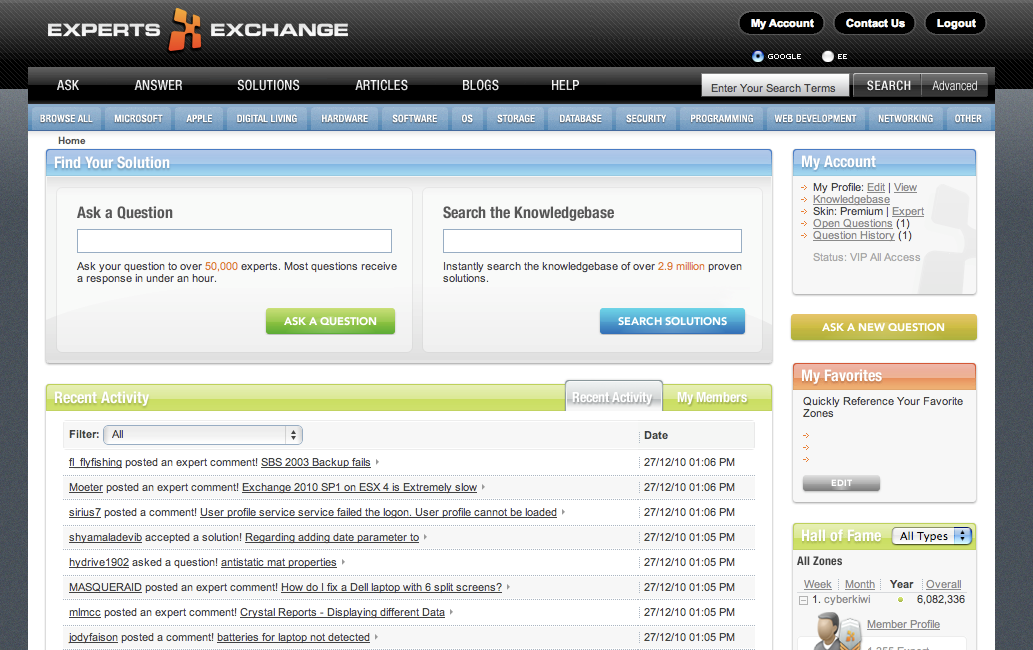
Experts Exchange was a question and answer website that in many ways was pretty awful. But when you were desperate for help, it was often better than nothing.
Its existence also led to the rise of its much better competitor: Stack Overflow.
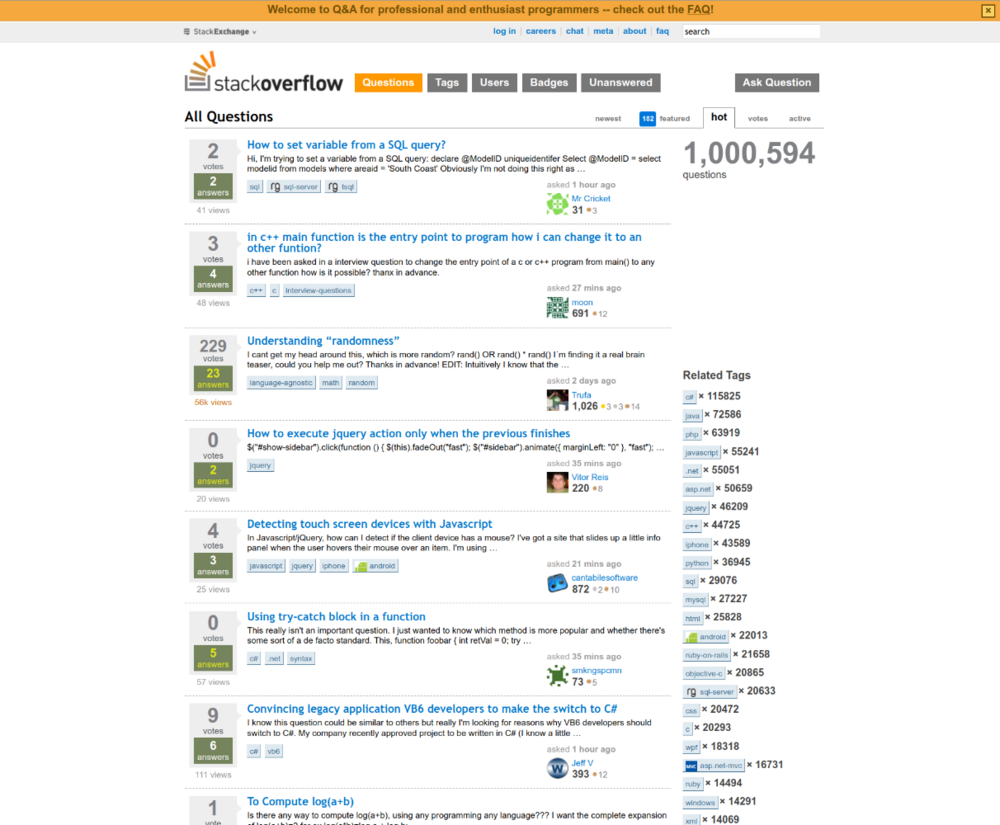
Stack Overflow is also awful in many ways:
- Stack Overflow answers are often subtly wrong.
- It’s often challenging to identify code that actually does what you need.
- Stack Overflow is messy and inexact.
- Stack Overflow is often misunderstood, misused, and overused.
Stack Overflow is a tool. Using it well is a learned skill. But it can be a useful tool.
Not Stack Overflow
I’m not actually talking about Stack Overflow. Not specifically, anyway.
I’m talking about large language models (LLMs).
- LLM responses are often wrong.
- Identifying correct LLM responses can be hard.
- LLMs are messy and inexact.
- LLMs are often misunderstood and misused.
Using an LLM well is a learned skill. But an LLM can be a useful tool.
Unfortunately, LLMs are a huge disaster for the environment, for public health, and for the welfare of billions of sentient beings.
Not LLMs
Oh wait… Sorry.
I’m not talking about LLMs.
I meant animal farming.
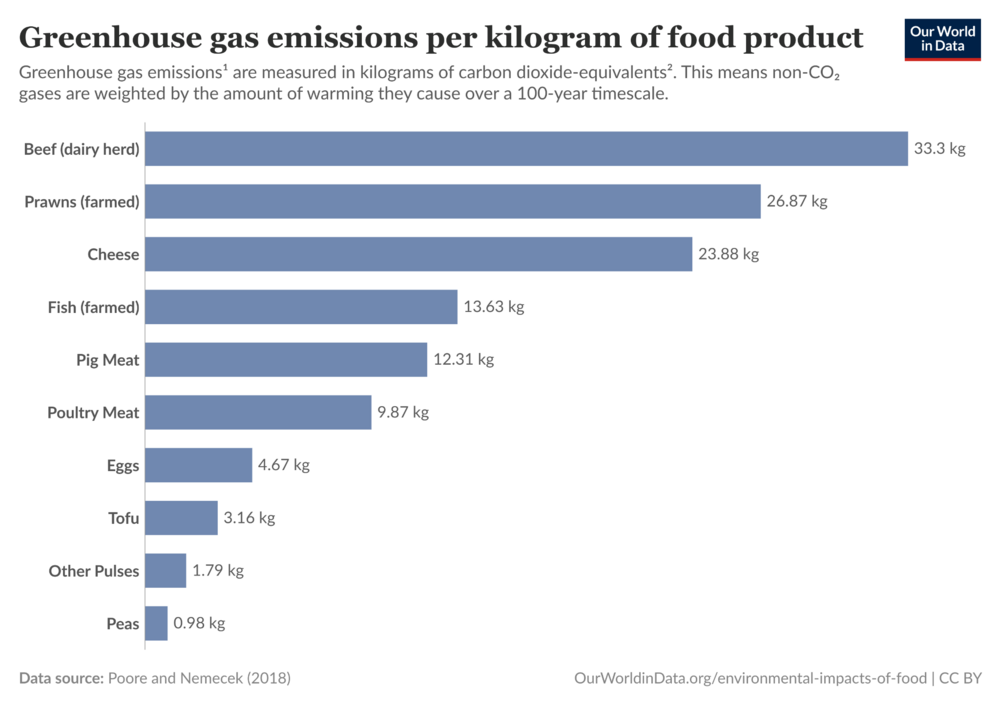
Animal farming is a huge disaster for the environment…
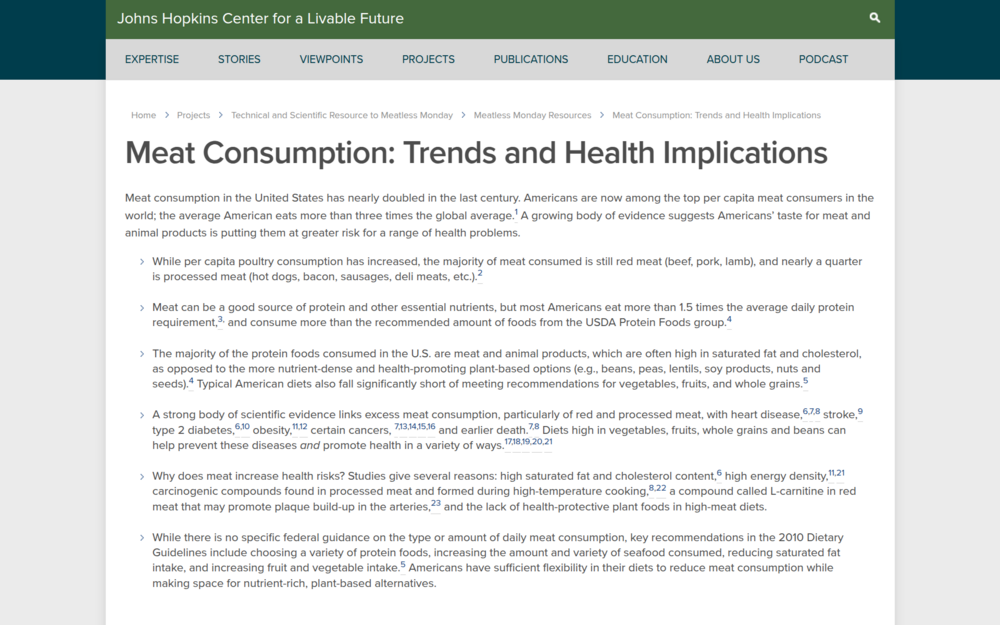
…for public health…
…and for the welfare of billions of sentient beings.
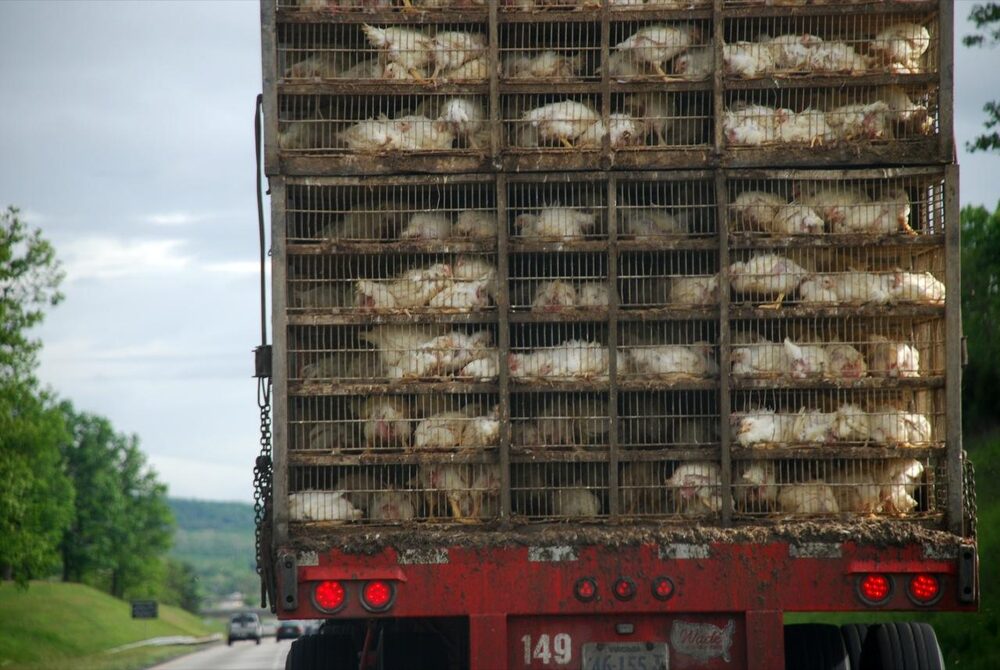
Photo: Nugget Truck by ben, CC BY 2.0
Systemic problems
Will blaming meat-eaters improve the state of animal farming?
No.
Will blaming LLM users improve the state of LLMs?
Also no.
Systemic problems are not fixed by individual solutions.
Systemic problems are fixed by system-level solutions.
More good, less bad
Do animal farms have massive negative externalities?
Yes.
Are animal farms going to disappear anytime soon?
No.
Do animal farms cause more harm than good?
Probably.
Should we try to reduce their harm and increase their good?
Absolutely.
Do LLMs have big negative externalities?
Possibly. (I’m less sure about this one.)
Will LLMs disappear anytime soon?
They won’t.
Do LLMs cause more harm than good?
They might. (I suspect they don’t currently, but I’m unsure.)
Should we try to reduce their harm and increase their good?
Absolutely.
Solving problems
LLMs can be useful tools. But LLMs do also come with negative externalities.
Their benefits may exceed both their monetary and social costs. But even if that’s not true today, the genie is out of the bottle at this point. LLMs are probably not going away, even if you wish they would.
There are very real questions about these tools:
- How will LLMs be adapted to fit within intellectual property laws? And how will the laws adapt to account for these tools?
- How big is the environmental impact of LLMs? And how do we solve that problem?
- What impact will these tools have on our jobs and the jobs of others? And how will we adjust to that impact?
It’s frustrating when new technologies are overhyped, misunderstood, and treated as the be-all and end-all. And it’s okay to have big feelings about big changes. Uncertainty is scary.
But hatred doesn’t usually solve problems.
Am I currently gatekeeping?
So the next time you find yourself saying “LLMs are awful and they should never be used”, ask yourself:
What is the purpose of my words?
Are my words meant to shame someone for using a tool that I find problematic? And even if that’s not my intent, is that how my words might be read?
Would a reader wonder:
Am I an evil imposter because I useStack Overflowlarge language models?
Before your next hot take, I’d like you to ask yourself, “am I currently gatekeeping?” And if so, is there a more productive place to put those feelings?
That’s the end of my rant.
The lightning talk
The original version of the lightning talk:

